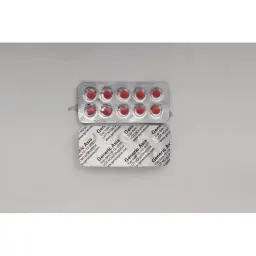
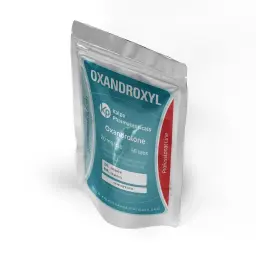
Oxanabol (Oxandrolone) by Alpha Pharma - Oral Steroid Comparison & Educational Overview
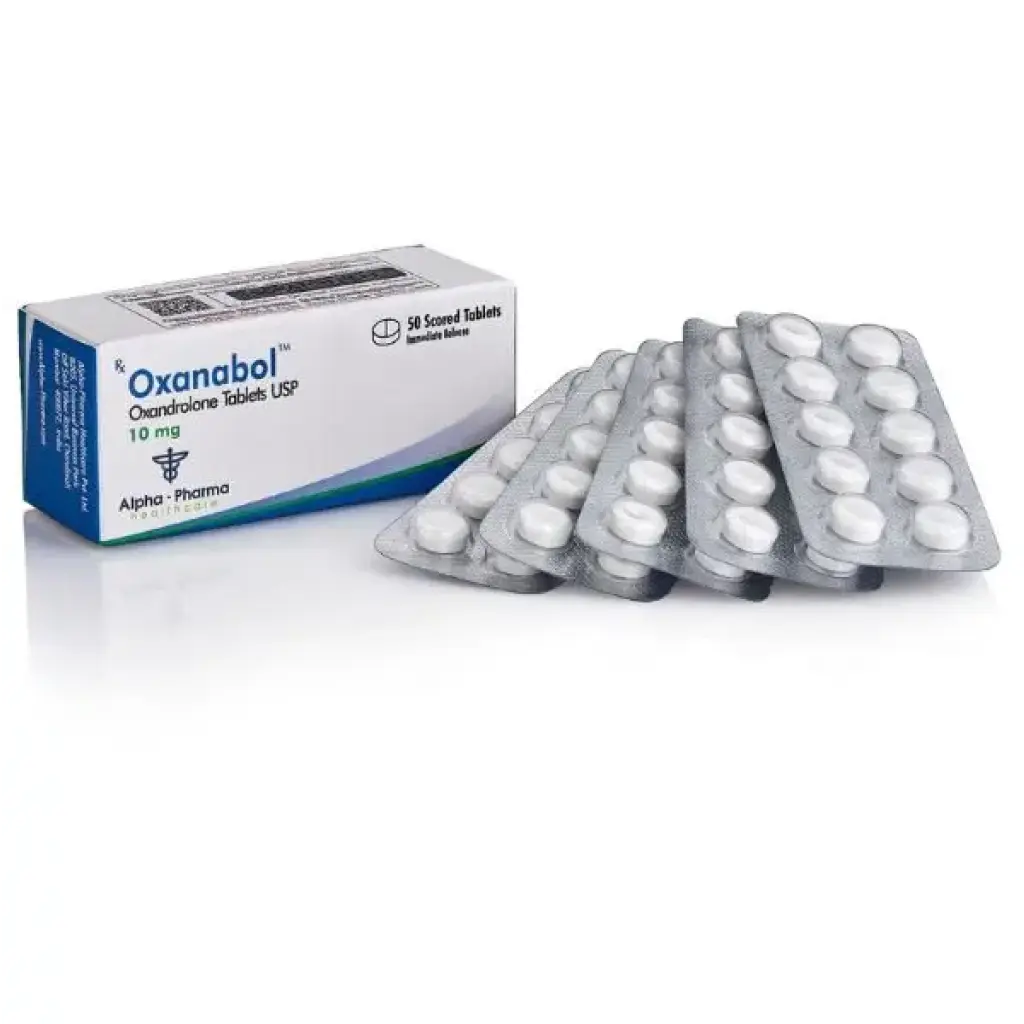
Oxanabol by Alpha Pharma contains oxandrolone, a synthetic anabolic compound that has been used in medical settings for muscle-wasting conditions, severe weight loss, and burn recovery support. Within the broader category of orally active anabolic steroids, oxandrolone is often discussed because of its relatively lower androgenic rating and non-aromatizing profile. However, it remains a hormonally active compound with measurable systemic impact.
Understanding oxandrolone requires placing it into context alongside other oral anabolic agents. Each compound has a distinct risk pattern, endocrine interaction, and side-effect profile. This comparison-based overview focuses on mechanisms and safety education rather than promotional framing.
Important medical note: Oxandrolone is a prescription medication. All anabolic steroids carry potential risks including liver strain, lipid disruption, endocrine suppression, and cardiovascular concerns. Use requires medical supervision and laboratory monitoring.
Oxandrolone vs Oxymetholone
Oxandrolone and
Oxymetholone are both orally active anabolic agents, but their physiological profiles differ significantly.
Oxandrolone characteristics:
• Lower androgenic rating
• Does not aromatize into estrogen
• Moderate liver stress (17-alpha alkylated)
• Suppresses endogenous testosterone
Oxymetholone characteristics:
• Stronger anabolic impact
• Significant liver stress
• May cause indirect estrogen-like fluid retention
• Notable lipid profile disruption
From a risk standpoint, oxymetholone is typically associated with higher hepatic and cardiovascular stress compared to oxandrolone.
Oxandrolone vs Methandrostenolone
Oxandrolone is also commonly compared to
Methandrostenolone (often known as Dianabol). The primary difference lies in aromatization and estrogenic activity.
Oxandrolone:
• Non-aromatizing
• No direct estrogen conversion
• Lower water retention risk
• Suppresses testosterone
Methandrostenolone:
• Aromatizes into estrogen
• Associated with water retention
• Higher estrogen-related side effects
• Significant lipid impact
Because oxandrolone does not convert into estrogen, it lacks direct estrogen-mediated side effects, but cardiovascular and hepatic monitoring remain necessary.
Liver Toxicity Comparison
All orally active 17-alpha alkylated anabolic steroids introduce liver strain to some degree. Relative comparison often places compounds in the following general categories:
• Oxandrolone - Moderate hepatotoxic potential
• Methandrostenolone - High hepatotoxic potential
• Oxymetholone - High hepatotoxic potential
Even "moderate" liver stress requires laboratory testing. Liver enzyme elevation can occur silently without symptoms.
Lipid & Cardiovascular Considerations
Oral anabolic agents frequently alter lipid profiles. Oxandrolone has been documented to reduce HDL cholesterol and increase LDL cholesterol. While this effect may be less extreme than some stronger oral agents, it remains clinically relevant.
Monitoring typically includes:
• HDL and LDL cholesterol
• Triglycerides
• Blood pressure
• Cardiovascular risk markers
Long-term cardiovascular risk is cumulative and influenced by overall lifestyle and genetic predisposition.
Endocrine Suppression Across Oral Compounds
Regardless of androgenic rating, most anabolic steroids suppress the hypothalamic-pituitary-gonadal (HPG) axis. Oxandrolone is no exception.
Suppression considerations include:
• Reduced LH and FSH levels
• Decreased natural testosterone production
• Temporary hormonal imbalance post-discontinuation
Endocrine recovery strategies, when medically required, should be supervised by qualified healthcare professionals.
Comparison Table