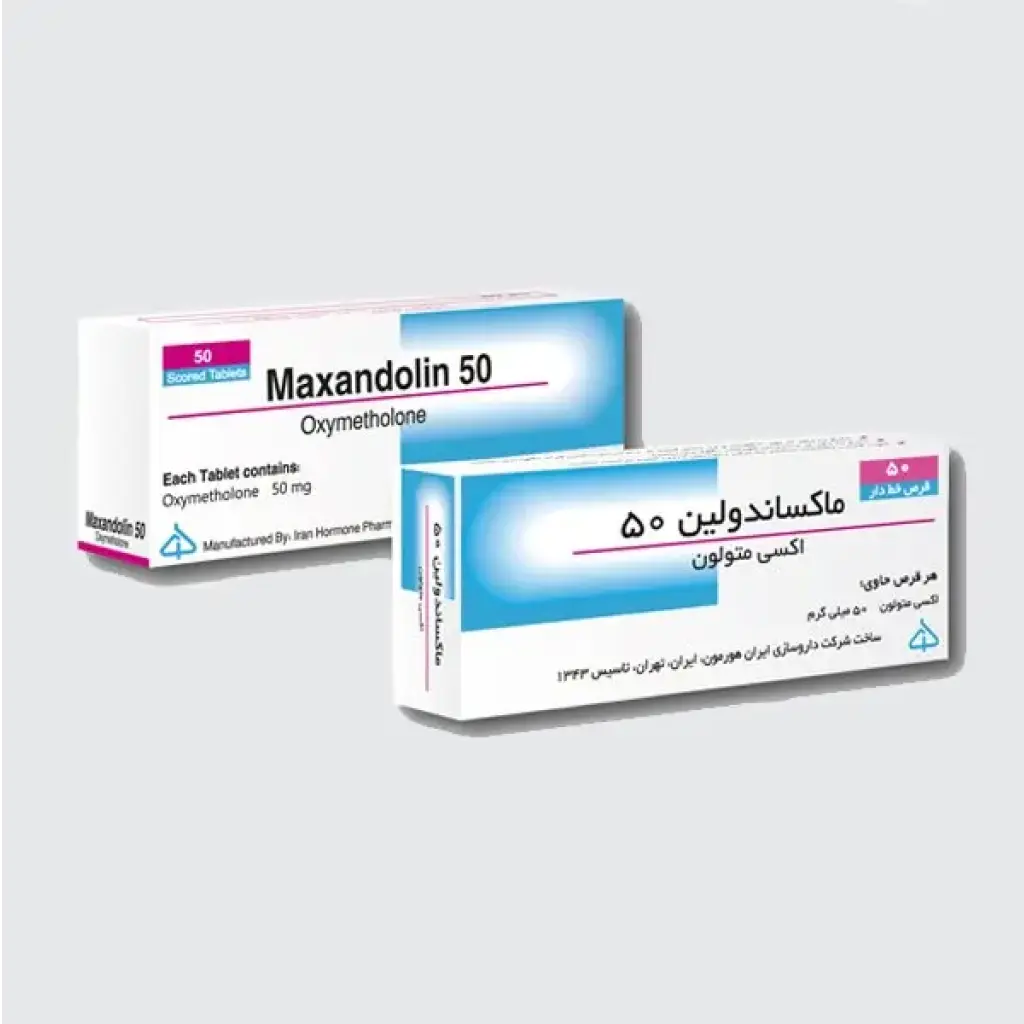
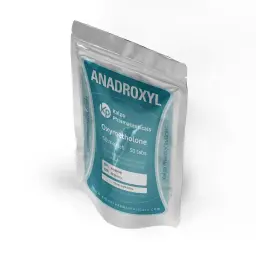
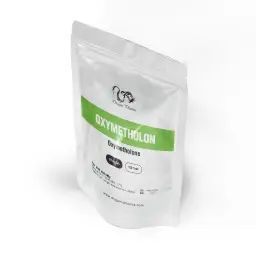
Maxandolin (Oxymetholone) by Iran Hormone - Full Risk Awareness & Safety Education
Maxandolin contains oxymetholone, one of the most potent orally active anabolic compounds ever developed. While historically prescribed for specific medical conditions such as severe anemia and muscle-wasting diseases, oxymetholone is widely recognized as a high-risk compound due to its strong physiological impact and documented side-effect profile.
Oxymetholone is a 17-alpha alkylated oral anabolic steroid. This chemical modification allows it to survive digestion and remain active after oral administration. However, this same modification significantly increases liver strain. For this reason, oxymetholone has long been considered one of the more hepatotoxic oral anabolic agents.
Important medical note: Oxymetholone is a prescription medication associated with serious health risks. It should only be used under strict medical supervision with laboratory monitoring. This page is educational and not medical advice.
Liver Toxicity & Hepatic Stress
One of the most documented concerns with oxymetholone is hepatotoxicity. Because it is 17-alpha alkylated, it places measurable stress on the liver. Clinical reports have associated prolonged or high-dose exposure with:
• Elevated liver enzymes (AST/ALT)
• Cholestatic jaundice
• Hepatic strain and inflammation
• Rare but serious liver complications
Routine liver function testing is considered essential in any medically supervised context involving this compound. Avoiding alcohol and other hepatotoxic agents is critical in risk-reduction strategies.
Cardiovascular & Lipid Impact
Oxymetholone has been associated with significant lipid profile disruption. Common findings include:
• Decrease in HDL ("good") cholesterol
• Increase in LDL ("bad") cholesterol
• Potential rise in blood pressure
• Increased cardiovascular strain over time
Because lipid imbalance is a major cardiovascular risk factor, regular monitoring of cholesterol panels is strongly recommended. Cardiovascular health should be prioritized when assessing overall risk exposure.
Endocrine Suppression & Hormonal Impact
Like many anabolic steroids, oxymetholone suppresses natural testosterone production. Suppression can begin quickly and may require structured medical intervention for recovery depending on duration and exposure.
Potential endocrine-related concerns include:
• Suppressed endogenous testosterone
• Testicular atrophy
• Hormonal imbalance after discontinuation
• Mood fluctuations linked to hormone shifts
Endocrine recovery should be medically supervised to reduce long-term disruption.
Fluid Retention & Estrogen-Like Effects
Although oxymetholone does not aromatize directly into estrogen, it may still produce estrogen-like side effects through indirect pathways. Users have historically reported:
• Water retention
• Elevated blood pressure due to fluid shifts
• Breast tissue sensitivity in some cases
These effects can increase cardiovascular stress and contribute to additional health complications if unmanaged.
Risk Comparison with Other Oral Compounds
Understanding relative risk is important. Oxymetholone is frequently considered stronger and more liver-stressful than many other oral anabolic agents. For comparison, compounds such as
Oxandrolone are generally regarded as milder on the liver, while agents like
Methandrostenolone may carry different estrogen-related risk patterns.
No oral anabolic compound is risk-free. Differences exist primarily in degree and mechanism of impact.
Responsible Monitoring Checklist
If medically prescribed, risk mitigation typically involves:
• Liver function tests (AST, ALT)
• Lipid panel monitoring
• Blood pressure tracking
• Complete blood count evaluation
• Endocrine hormone panels
Ignoring laboratory monitoring increases the risk of silent complications.
Comparison Table