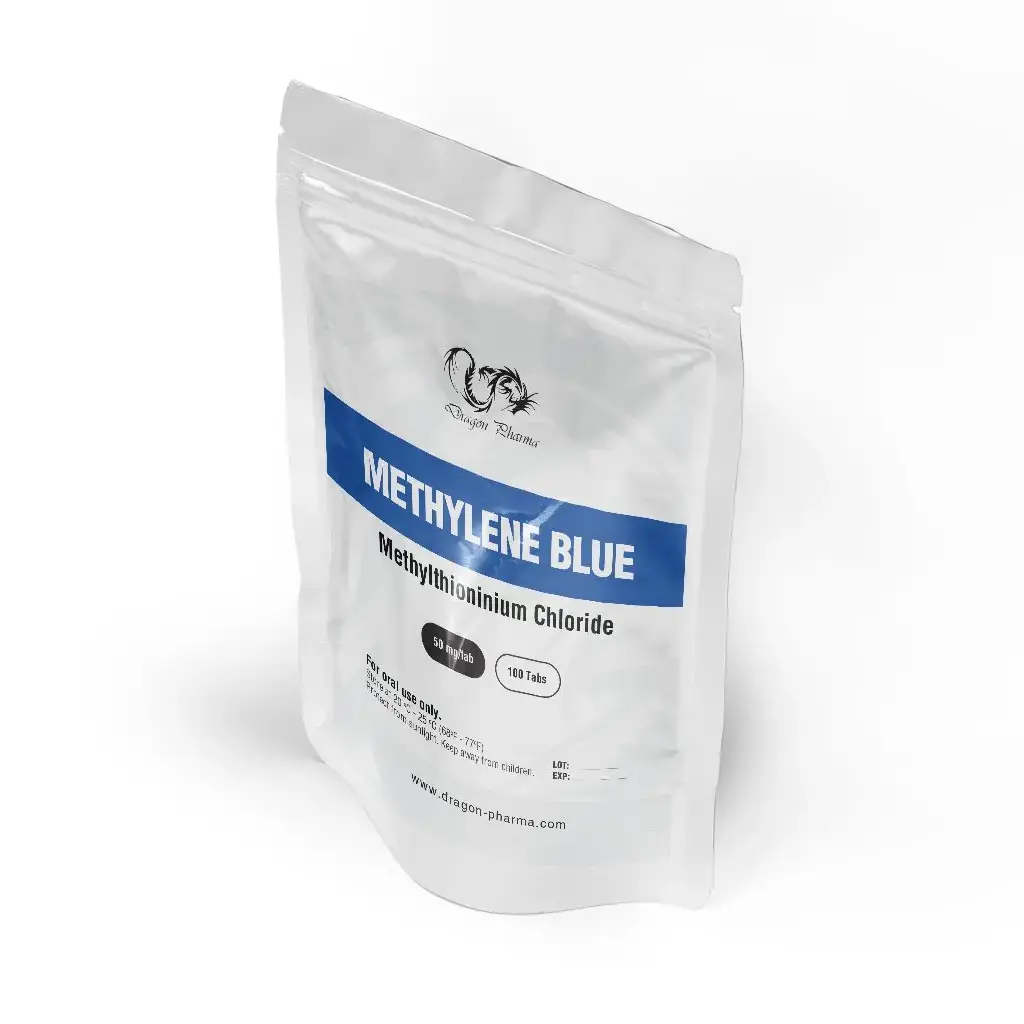
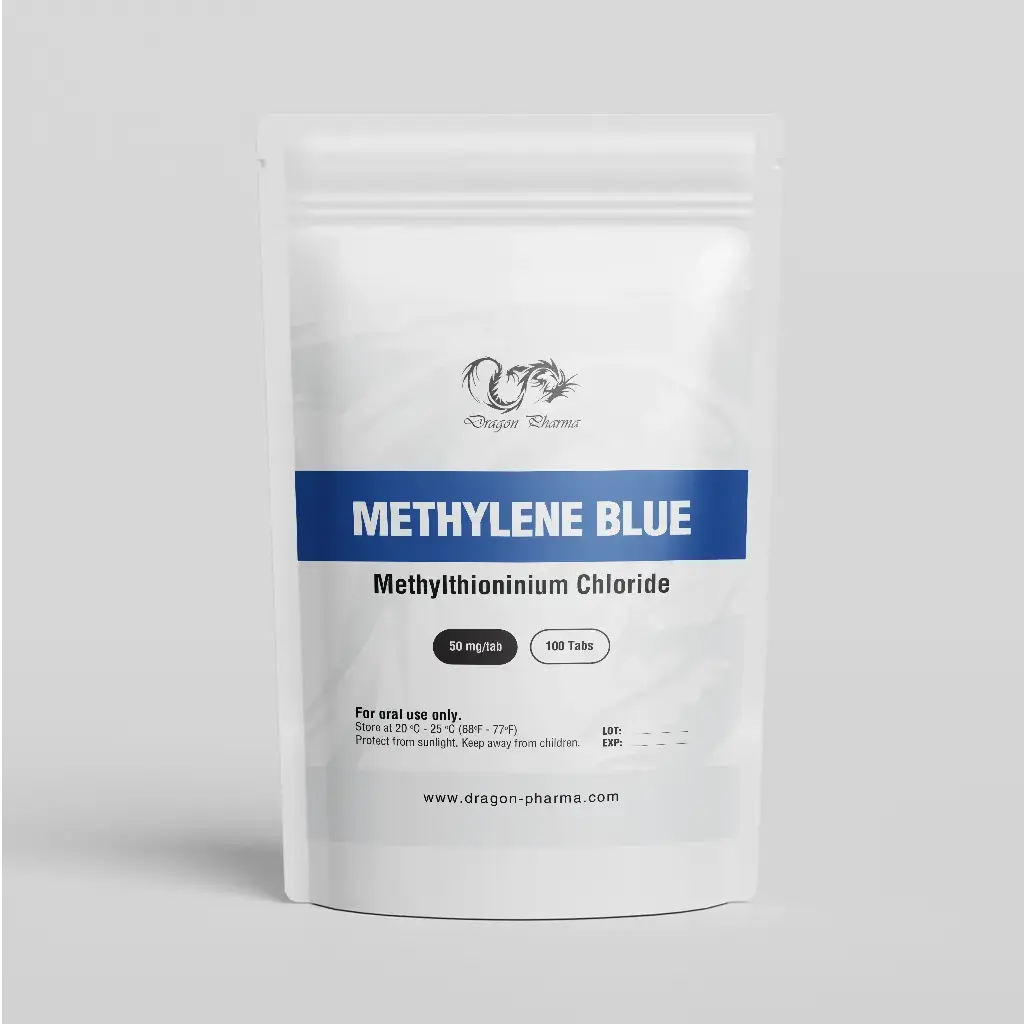
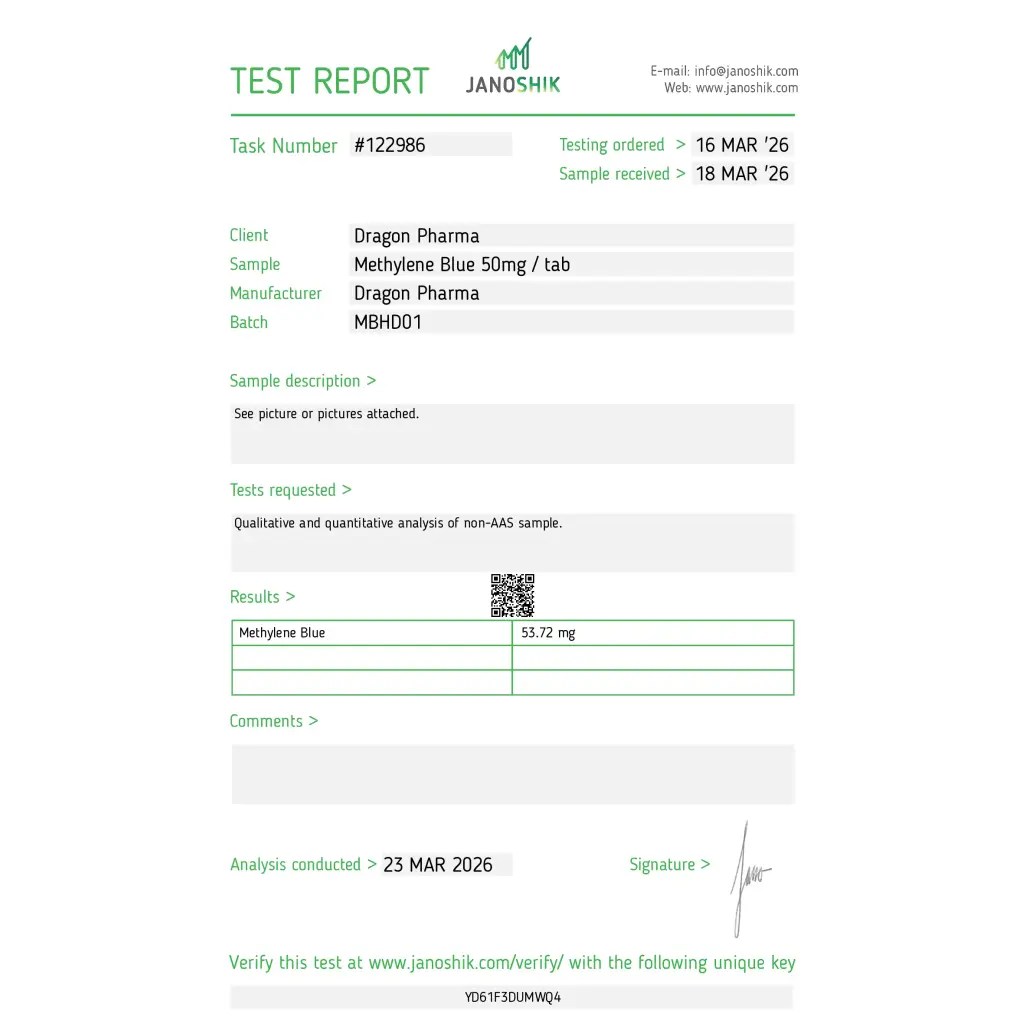
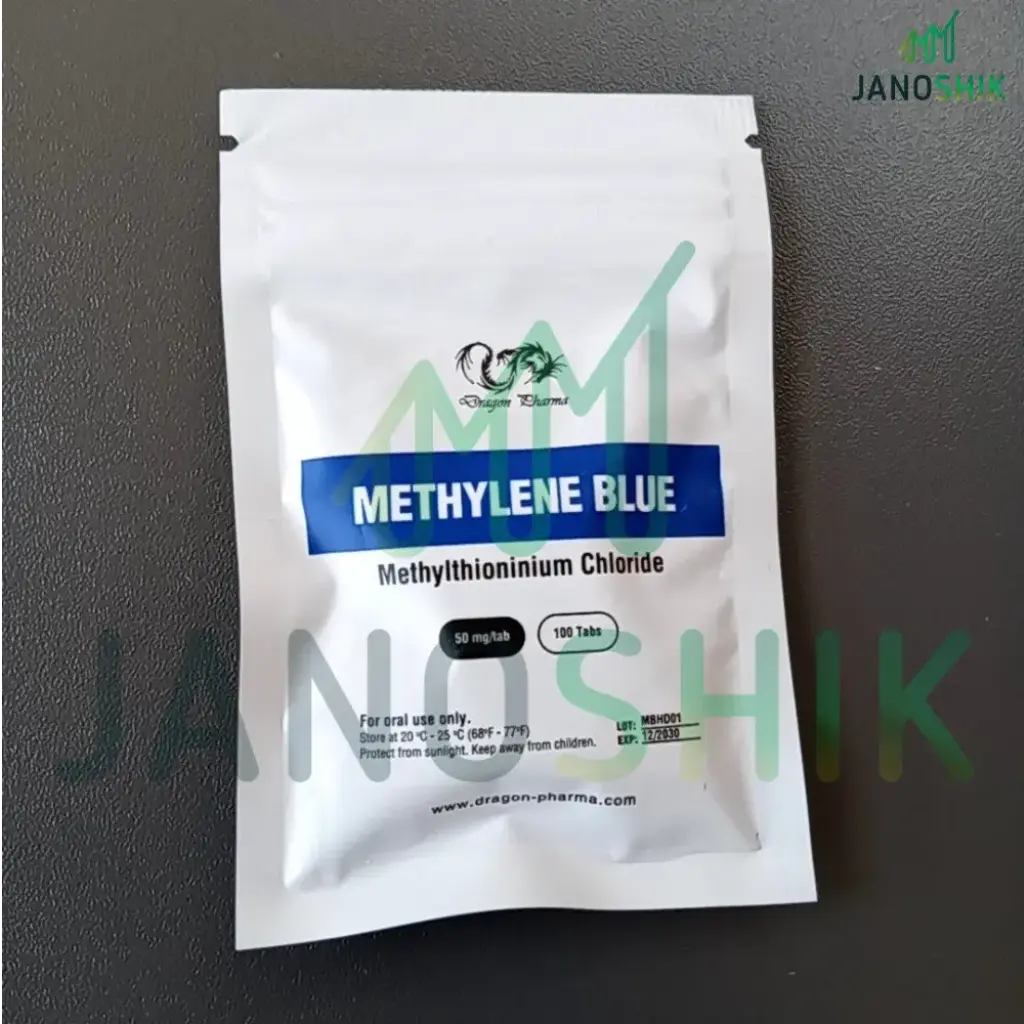
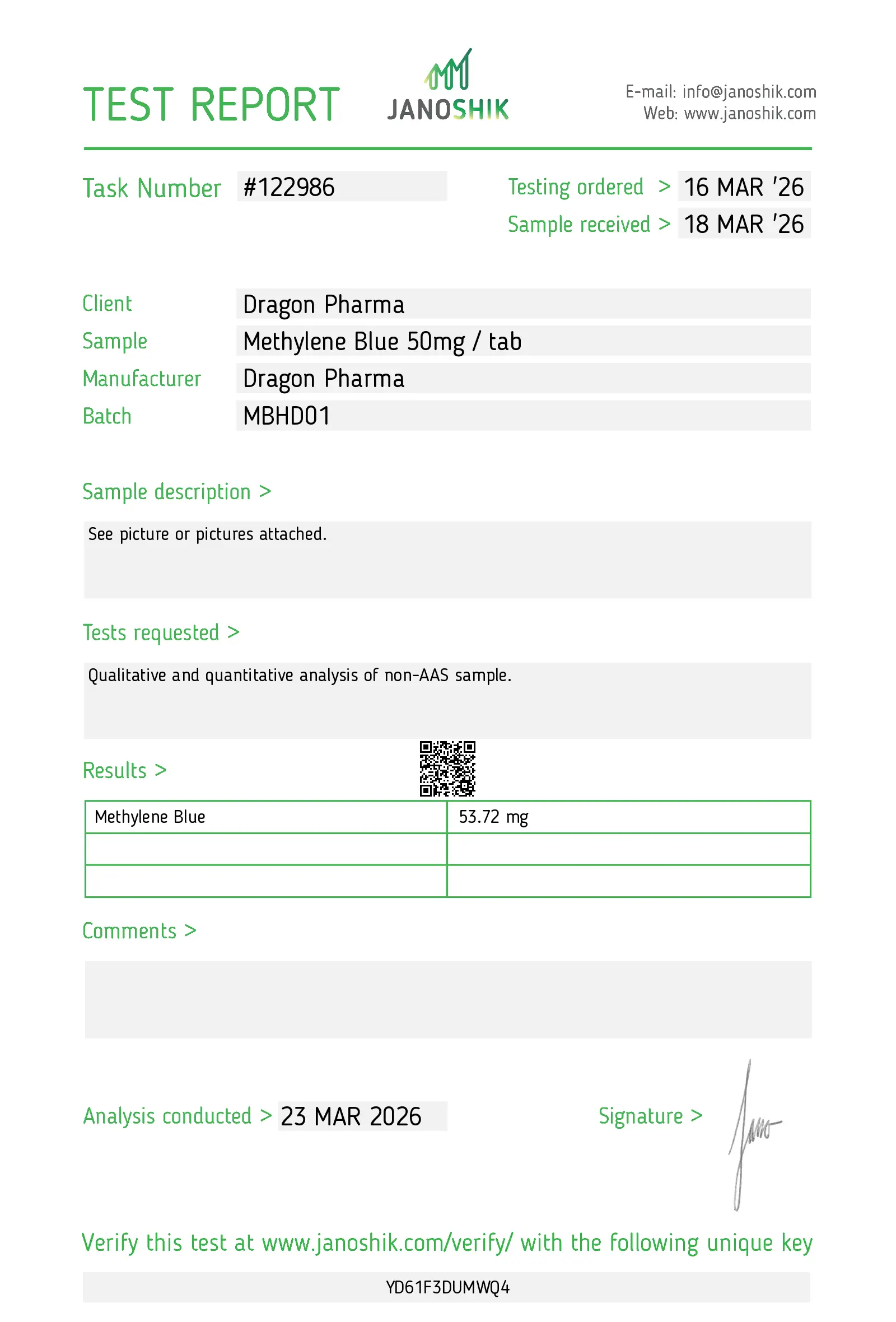
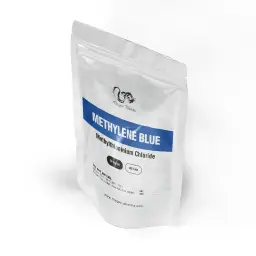
Methylene Blue (Methylthioninium Chloride) 100 Tabs by Dragon Pharma - Cognitive Function & Neuroprotective Research
Methylene Blue, chemically known as methylthioninium chloride, is a pharmaceutical compound with a long medical history and growing research interest in brain metabolism and cognitive support. While originally developed for specific medical applications, it is now widely studied for its effects on mitochondrial function within neural tissue and its potential influence on memory, focus, and cellular resilience.
The brain is one of the most energy-demanding organs in the body. Neurons rely heavily on mitochondrial ATP production to sustain signaling, memory formation, and executive function. When mitochondrial efficiency declines, cognitive fatigue and reduced mental clarity may occur. Research has explored how Methylene Blue may support cellular respiration in neural tissue under certain laboratory conditions.
Important medical note: Methylene Blue is a prescription pharmaceutical for approved medical indications. It may interact with serotonergic medications, antidepressants, and other drugs. Use should be supervised by a qualified healthcare professional.
Brain Energy & Mitochondrial Support
Neurons require continuous ATP production for synaptic transmission and neuroplasticity. Methylene Blue has been studied for its ability to act as a redox mediator in the mitochondrial electron transport chain. Under controlled research conditions, it may assist electron flow and support cellular energy production.
Mechanisms explored in scientific literature include:
• Supporting mitochondrial respiration efficiency
• Assisting oxygen utilization at the cellular level
• Supporting redox cycling within neural cells
• Potentially reducing oxidative stress burden under specific conditions
Because cognitive performance is closely tied to mitochondrial efficiency, compounds that influence energy metabolism remain an active area of neuroscience research.
Neuroprotection & Oxidative Balance
Oxidative stress plays a role in age-related cognitive decline and neurodegenerative processes. Methylene Blue's redox properties allow it to alternate between oxidized and reduced states, which may influence cellular oxidative balance.
Research discussions often focus on:
• Cellular resilience under metabolic stress
• Protection of mitochondrial integrity
• Stabilization of neuronal energy metabolism
• Maintenance of cognitive function in aging models
It is important to emphasize that many of these findings are based on laboratory or early-stage research. Clinical outcomes may differ, and medical guidance is essential.
Historical Clinical Use & Brain Research
Methylene Blue has been used clinically for over a century, most notably in the treatment of methemoglobinemia. Its well-documented pharmacology makes it one of the more extensively studied synthetic compounds in medical literature.
In recent years, research interest expanded into cognitive science and neurobiology. Investigators have examined its role in supporting cerebral metabolism and memory pathways. However, non-approved uses remain investigational.
Cognitive Support Comparison
Methylene Blue is often discussed alongside other compounds involved in brain energy and metabolic support, such as
NAD+ and
Semax.
NAD+ functions as a coenzyme central to ATP metabolism and cellular repair. Semax is a peptide studied for its effects on neurotrophic factors and cognitive resilience. Methylene Blue differs in that it interacts directly with mitochondrial redox processes and electron transport mechanisms.
Each compound operates through distinct biological pathways, and their research contexts vary significantly.
Comparison Table