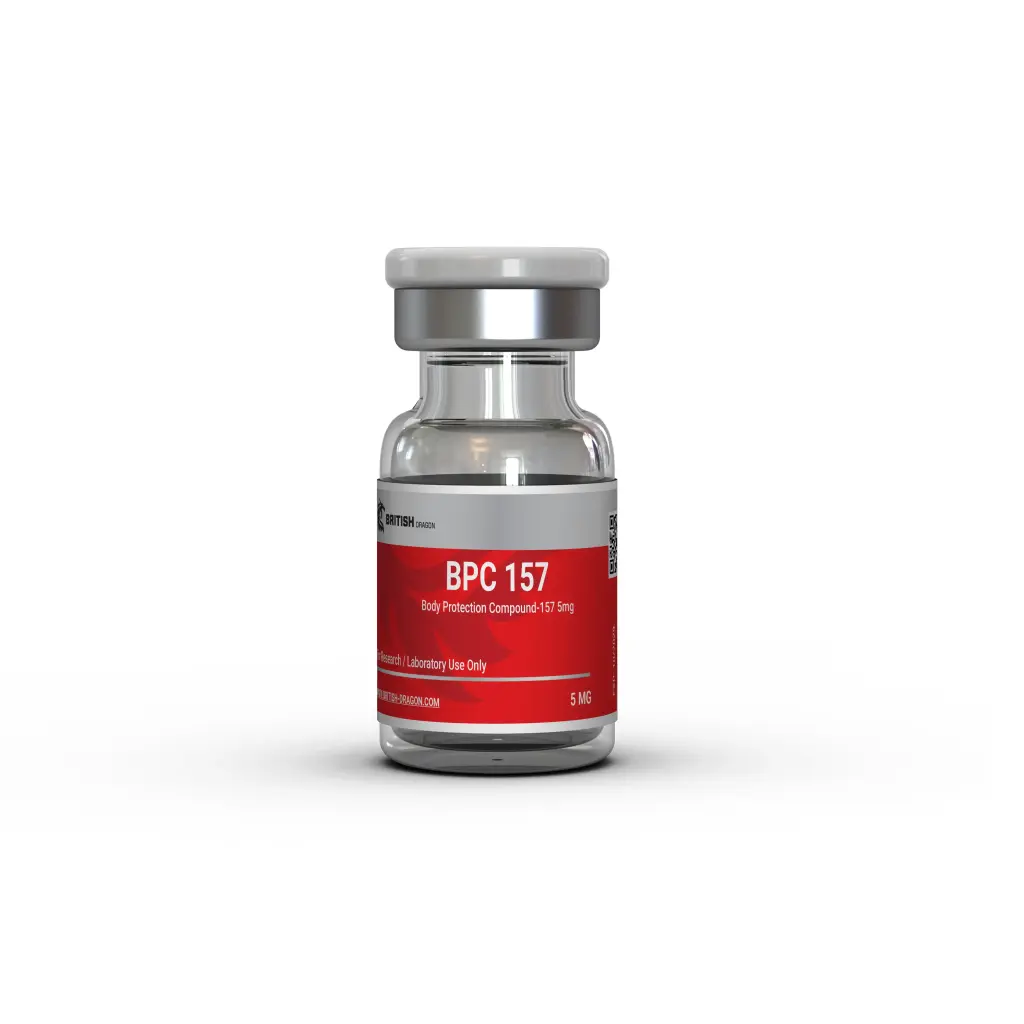
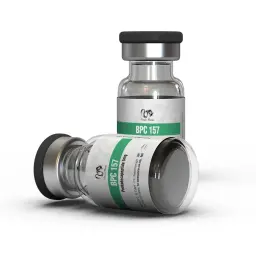
BPC 157 by British Dragon - Local vs Systemic Healing Explained
BPC 157 (Body Protection Compound 157) is a synthetic pentadecapeptide widely researched for its role in tissue repair, angiogenesis, and cytoprotection. One of the most frequently discussed aspects of BPC 157 is how it behaves in local versus systemic contexts. Understanding this distinction is essential when analyzing its mechanism of action and comparing it to other recovery peptides.
Unlike some peptides that primarily act systemically, BPC 157 has been observed in preclinical models to exert strong localized effects at sites of tissue injury. At the same time, it also demonstrates broader systemic activity, influencing vascular function and cellular repair processes throughout the body.
Important medical note: BPC 157 is not widely approved for general medical use and is considered a research compound in many regions. Any application should be supervised by a qualified healthcare professional where legally permitted.
What Is Localized Healing?
Localized healing refers to biological activity concentrated at or near a specific area of tissue damage. In research discussions, BPC 157 is often associated with targeted repair due to its ability to interact with injured tissues directly.
Local effects studied include:
• Accelerated tendon and ligament repair
• Enhanced collagen synthesis at injury sites
• Increased angiogenesis in damaged tissue
• Improved tissue integrity and strength
Because connective tissues often have limited blood supply, localized stimulation of healing pathways can be particularly important for recovery.
What Is Systemic Healing?
Systemic healing involves effects that occur throughout the entire body rather than in a single targeted area. BPC 157 has also demonstrated systemic activity in research models, particularly in relation to vascular function and cytoprotection.
Systemic effects explored include:
• Support for overall vascular health
• Interaction with nitric oxide pathways
• Protection of multiple organ systems under stress
• Broad anti-inflammatory signaling
These systemic properties differentiate BPC 157 from peptides that are exclusively localized or exclusively systemic in action.
BPC 157 vs TB-500 - Local vs Systemic Comparison
BPC 157 is frequently compared to
TB-500 due to their complementary roles in recovery research.
BPC 157:
• Strong localized healing response
• Direct interaction with injured tissues
• Supports angiogenesis at damage sites
TB-500:
• Primarily systemic distribution
• Promotes cell migration across the body
• Supports widespread tissue repair
Because of these differences, BPC 157 is often discussed as a targeted repair peptide, while TB-500 is associated with systemic recovery support.
Mechanism Differences in Application Context
The distinction between local and systemic activity is closely tied to how peptides interact with biological pathways. BPC 157 influences several mechanisms that contribute to both localized and systemic effects.
Key mechanisms include:
• Angiogenesis (new blood vessel formation)
• Fibroblast activation and collagen synthesis
• Nitric oxide pathway modulation
• Cellular migration and tissue remodeling
These combined actions allow BPC 157 to function across multiple levels of the healing process.
Comparison with Other Recovery Peptides
BPC 157 is also compared with peptides such as
GHK-Cu, which primarily supports skin and connective tissue repair through collagen stimulation.
While GHK-Cu is more focused on dermal and cosmetic repair, BPC 157 demonstrates broader activity in musculoskeletal and vascular healing contexts.
Comparison Table